
Kasturba schools in Uttar Pradesh are helping girls from disadvantaged communities access education and continue their studies. These residential schools combine classroom learning with accommodation, and some are adding facilities such as smart classrooms and astronomy labs.
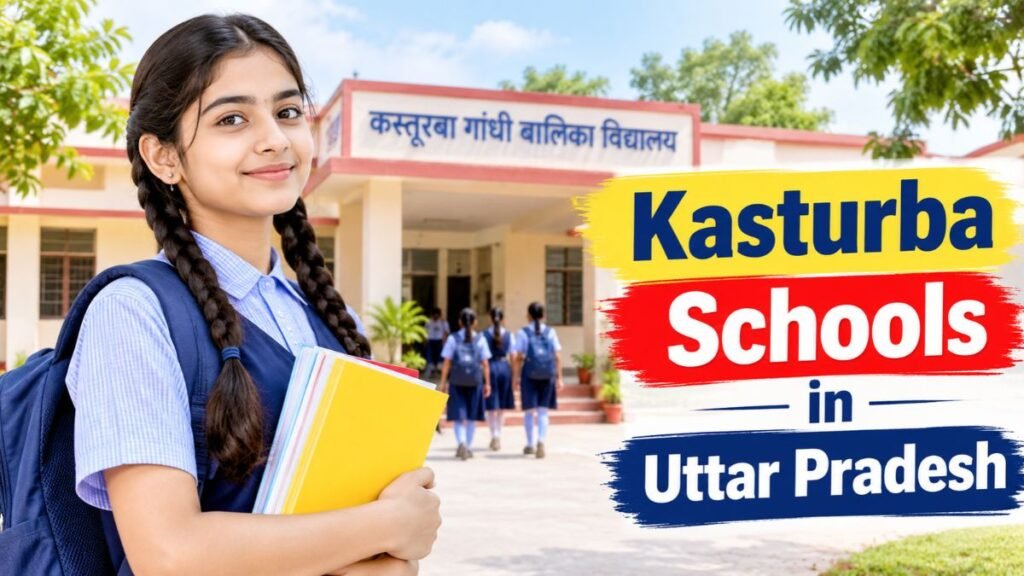
The changes matter because getting to school can be difficult when it is far from home or when families lack the resources to support regular attendance. A residential school can make education more accessible, while updated learning facilities can give students new ways to engage with subjects such as science and technology.
What are Kasturba schools in Uttar Pradesh?
Kasturba Gandhi Balika Vidyalayas, commonly known as KGBVs, are residential schools created to improve educational access for girls in disadvantaged communities and educationally backward areas. The national programme serves groups including Scheduled Castes, Scheduled Tribes, Other Backward Classes, minority communities, and families below the poverty line. The Ministry of Education describes the programme and its target groups.
The Uttar Pradesh Department of Basic Education says 746 Kasturba Gandhi residential girls’ schools were established in the state in 2004–05. It describes their purpose as helping disadvantaged, out-of-school, and never-enrolled girls enter mainstream education. The department’s website lists a sanctioned enrolment capacity of 79,600 and enrolment of 78,552 girls. These are the figures currently published on that page; enrolment can change, so reports of more than 88,000 students should be checked against the latest official state data. Uttar Pradesh Department of Basic Education.
The residential model can help students who live far from a suitable school. Staying on campus may reduce the time and difficulty involved in daily travel and create a more consistent setting for study and school activities. The facilities and services available can vary by campus.
Smart classrooms bring digital resources into lessons
Some Kasturba schools in Uttar Pradesh are adding smart classrooms and information and communication technology (ICT) resources. These can include digital displays and multimedia materials that teachers use to explain lessons.
For example, a video, diagram, or animation can help make an unfamiliar science topic easier to picture. Digital resources can also give teachers more ways to present information and help students become familiar with technology.
In July 2024, India’s Ministry of Education announced plans to provide ICT labs and smart classrooms in all functional KGBVs and hostels under Samagra Shiksha norms. The stated goals included supporting learning and helping girls build digital skills. Ministry of Education announcement.
Equipment alone does not guarantee better learning. Smart classrooms are most useful when teachers have suitable materials and training, devices are maintained, and digital tools are connected to lesson goals.
Astronomy labs introduce students to space science
Astronomy labs can give students hands-on ways to explore subjects such as the solar system, planets, satellites, and eclipses. Models and visual displays can help students connect what they read in textbooks with objects and events in space. Activities such as building a working model can also encourage questions and experimentation.
In April 2025, The Times of India reported that a plan had been approved to establish astronomy labs in 746 KGBVs, with ₹29.8 crore allocated for the project. The report said each school would receive ₹4 lakh and described planetarium-style learning materials, models of space missions, and activities related to space science. The Times of India report.
Approval and funding are important steps, but they do not by themselves confirm that every lab is already operating. Installation, upkeep, student access, and teacher preparation will help determine how much students benefit from the facilities.
Helping girls continue their education
Access to school is only the beginning. Students also need opportunities to remain in education and move on to higher grades.
The Uttar Pradesh Department of Basic Education says KGBVs initially provided residential schooling for Classes 6 to 8. Some schools have since been approved for expansion to Classes 9 to 12. The department’s website reports approval to upgrade 434 schools and says that 56 had been upgraded with residential facilities at the time the information was published. Because official webpages may not reflect the latest changes, these numbers should be treated as a snapshot. Uttar Pradesh Department of Basic Education.
Where higher grades are available, students may be able to continue studying without changing schools after middle school. This can help them plan for higher education, vocational training, or other opportunities. The options available depend on the subjects taught, the quality of instruction, and the guidance students receive.
Facilities need consistent support
Smart classrooms and astronomy labs can make lessons more engaging, but their value depends on how they work in everyday school life. Students need regular access, teachers need time to plan activities, and equipment needs to stay in working condition.
Residential schools also need the basics that help students feel safe and ready to learn: suitable accommodation, clean facilities, food, health support, and trusted adults. A school’s impact depends on the full experience it provides, alongside its classrooms and equipment.
Progress can be measured through more than the number of facilities installed. It is also useful to look at how often students use them, whether learning resources reach different grades, and whether girls stay in school and progress to higher classes.
Why Kasturba schools in Uttar Pradesh matter
Kasturba schools in Uttar Pradesh can help address practical barriers that keep some girls from attending school. Residential provision may make education more reachable, while digital classrooms and astronomy labs can broaden the ways students encounter science and technology.
These resources may also help girls explore subjects and future study paths they might not otherwise encounter. For that promise to become lasting benefit, schools need working facilities, consistent teaching support, and opportunities for students to continue their education.
FAQ
What are Kasturba schools in Uttar Pradesh?
They are residential schools under the Kasturba Gandhi Balika Vidyalaya programme, which aims to improve access to education for girls from disadvantaged communities.
How many Kasturba schools are there in Uttar Pradesh?
The Uttar Pradesh Department of Basic Education lists 746 KGBVs. Check the department’s latest information for updated figures on schools and enrolment.
Do all KGBVs in Uttar Pradesh offer Classes 9 to 12?
No. The state department reports that some schools have been upgraded to higher grades. Availability varies by school.
What is a smart classroom?
A smart classroom uses digital tools and multimedia resources to support teaching. Its effectiveness depends on suitable lessons, teacher preparation, and functioning equipment.
Conclusion
Kasturba schools in Uttar Pradesh are combining residential education with efforts to improve classroom learning. Smart classrooms can bring digital resources into lessons, while astronomy labs can help students explore space science through practical activities.
The lasting impact will depend on whether students can use these resources regularly and continue their studies in safe, supportive environments. Strong teaching, well-maintained facilities, and access to higher grades will help turn educational investment into meaningful opportunities for girls.